Stay Compliant and Competitive Through Brazil’s Tax Reform – (2026–2033)

With Brazil’s tax reform, invoicing, credit recovery, and obligations become more complex.

Sovos simplifies them with automation — one suite for determination, e-invoicing, reporting and analytics.

For Tax Leaders: “Know your liabilities under both systems and protect credits.”

For IT Leaders: “Ensure ERP integrations and clean core projects don’t break with new layouts.”

For Finance Leaders: “Simulate impacts on pricing, margin, and cash flow in advance.”

The 4 critical fronts of the Tax Reform (and how Sovos solves them)

Learn why Sovos is the best choice for your company:

Dual Calculation & Simulation

Model taxes’ impacts on cash flow and pricing for today and tomorrow.

E-Invoicing management

Guarantee invoicing without rejection, regardless of layout changes.

Tax Events

Maintain credit traceability to avoid denied refunds

Closing & Obligations

Meet SPED/REINF deadlines with zero surprises.”**

Why Sovos ?

  • Accuracy you can trust: Dual calculation engine, natively integrated with SAP and other ERPs, ensures compliance under both current and new tax regimes.
  • Scenario simulations: Anticipate the reform’s impact on pricing, incentives, and cash flow — plan with precision, not guesswork..
  • Effortless compliance: Reduce manual rework and keep credits intact with automated layouts, events, and obligations..
infographic

With this infographic you’ll learn how to transform the Tax Reform into strategic advantage

Our infographic reveals the secrets to use Tax Reform as a steppingstone to success:

  • Impacts on finance and operations strategy
  • Transformations and advantages of the Tax Reform
  • Preparing for the Reform: how companies are acting
  • Growth accelerators
  • Native integration and automatic determination of the Reform with Sovos

Real risks of the 2026–2033 transition

Rejections stop shipments. Denied credits hit cash flow. Delayed closings create audits or penalties. Sovosprevents these risks before they impact your P&L.

Every rejection or denied credit erodes margin. Every late closing risks penalties. Every SAP customization raises IT costs. Sovosensures continuity and compliance.

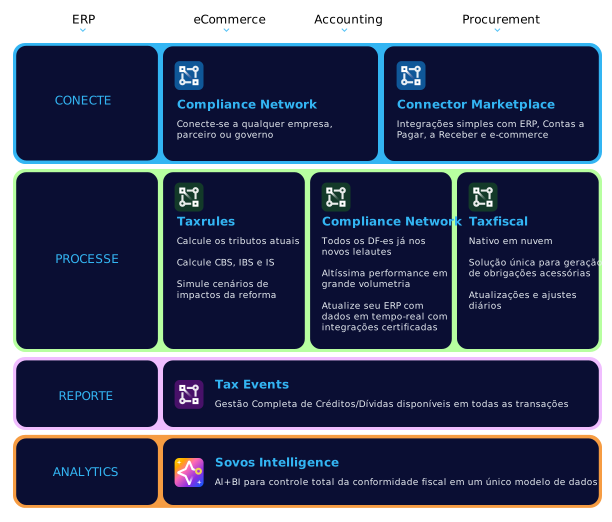
Tax Reform - Conecte, Processe, Reporte, Analytics

Frequently Asked Questions

The Tax Reform consists of a package of proposed changes for the country’s taxation system, aimed at simplifying it, modernizing it, and making tax collection more efficient. The primary focus of the first stage is to reduce taxes over consumption, minimize the complexity of the fiscal obligation’s compliance, and to promote greater transparency and tax fairness, reducing inequalities.

The current proposal foresees the replacement of existing taxes with the Dual VAT.

The implementation will be gradual. Starting in 2026, the current model will coexist with the new model, to be fully implemented by 2033. This transition period will allow governments, businesses and taxpayers to adapt to the changes of the country’s tax system.

The reform will bring significant impacts to companies, such as:

  • The need to provide information about paid taxes in both tax models (the current one and the proposed by the reform) throughout the next 8 years.
  • Understanding of how the destination taxation will demand adjustments in its fiscal logistics, especially for interstate operations and eCommerce.
  • Update their systems with the existing information in the receipts, that will also have changes to their layout, in addition to adapt processes to meet the new requirements.
  • In some cases, companies will need to deal with the adjustments in existing tax benefits.

Ideally you should start your planning and adaptation process now. While there are planned transition periods, the complexity of the changes demands time for process review, systems update and team trainings.

During the transition period it is important to closely monitor the complementary regulations, ensure the continuous update of the tax systems and to work with partners that provide updated solutions and technical support for the changes.

Platforms such as tax determination engines, e-invoicing solutions and accessory obligations management systems will be crucial. Companies like Sovos can facilitate the correct calculation of taxes, the electronic tax documents issuance and can send the information to the competent agencies.